Mohenjo-daro Tour Packages (2026)
Sindh, Pakistan
- 1
- tours
- 1
- companies
- —
- price range
- 21 Jun 2026
- updated
Things to see in Mohenjo-daro
 © Aakashaliraza / CC BY-SA 4.0 · Wikimedia Commons
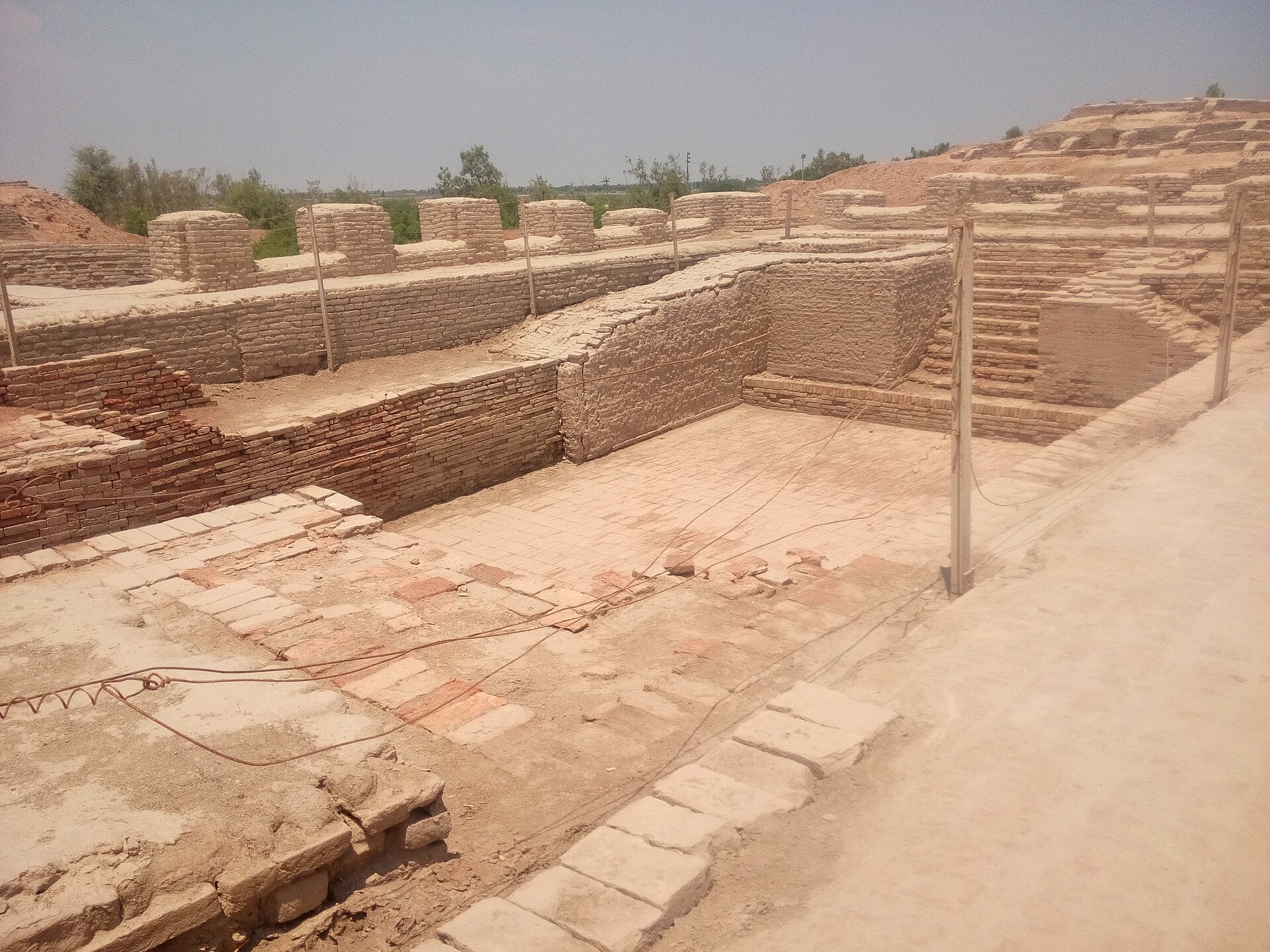
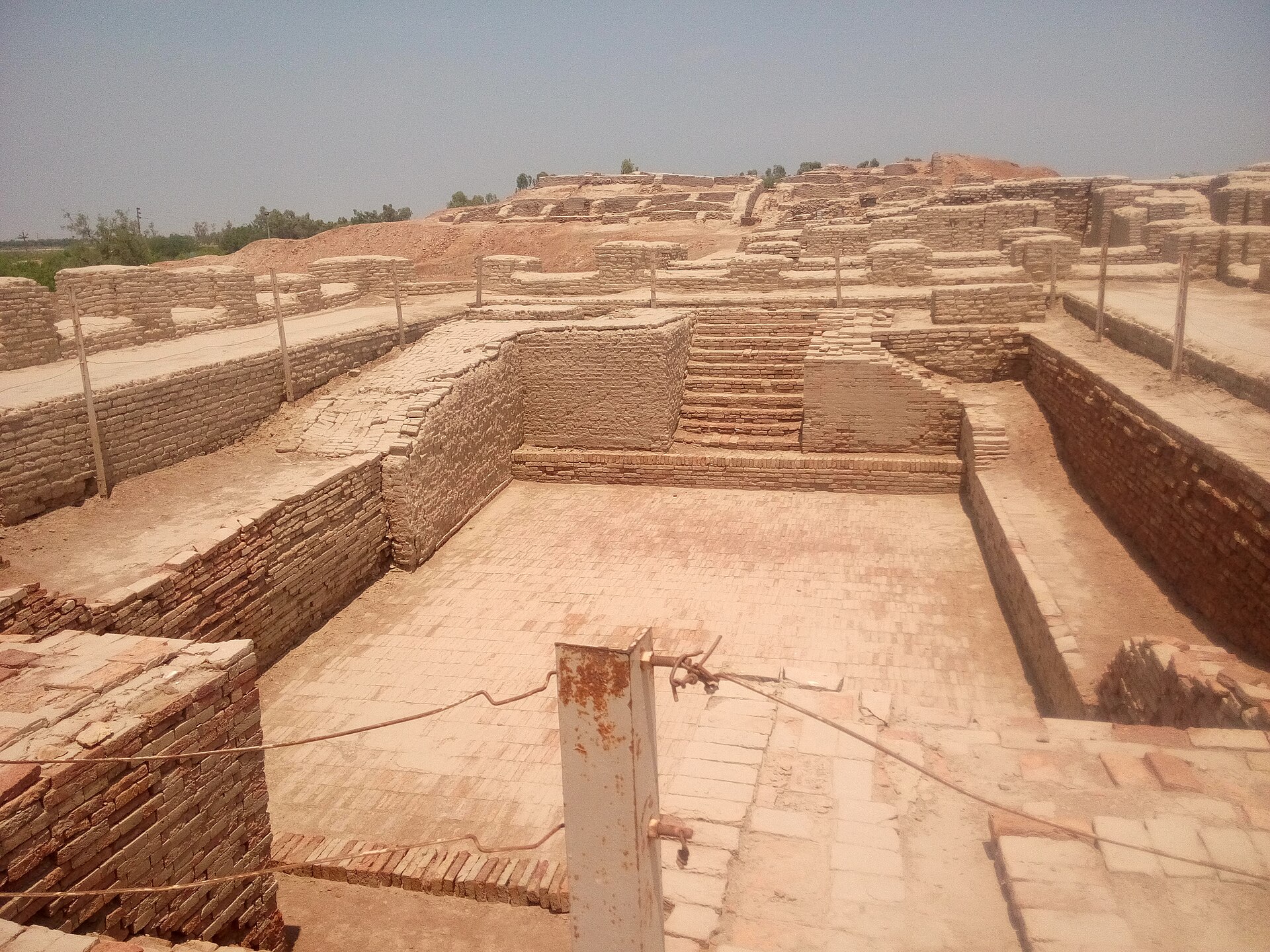
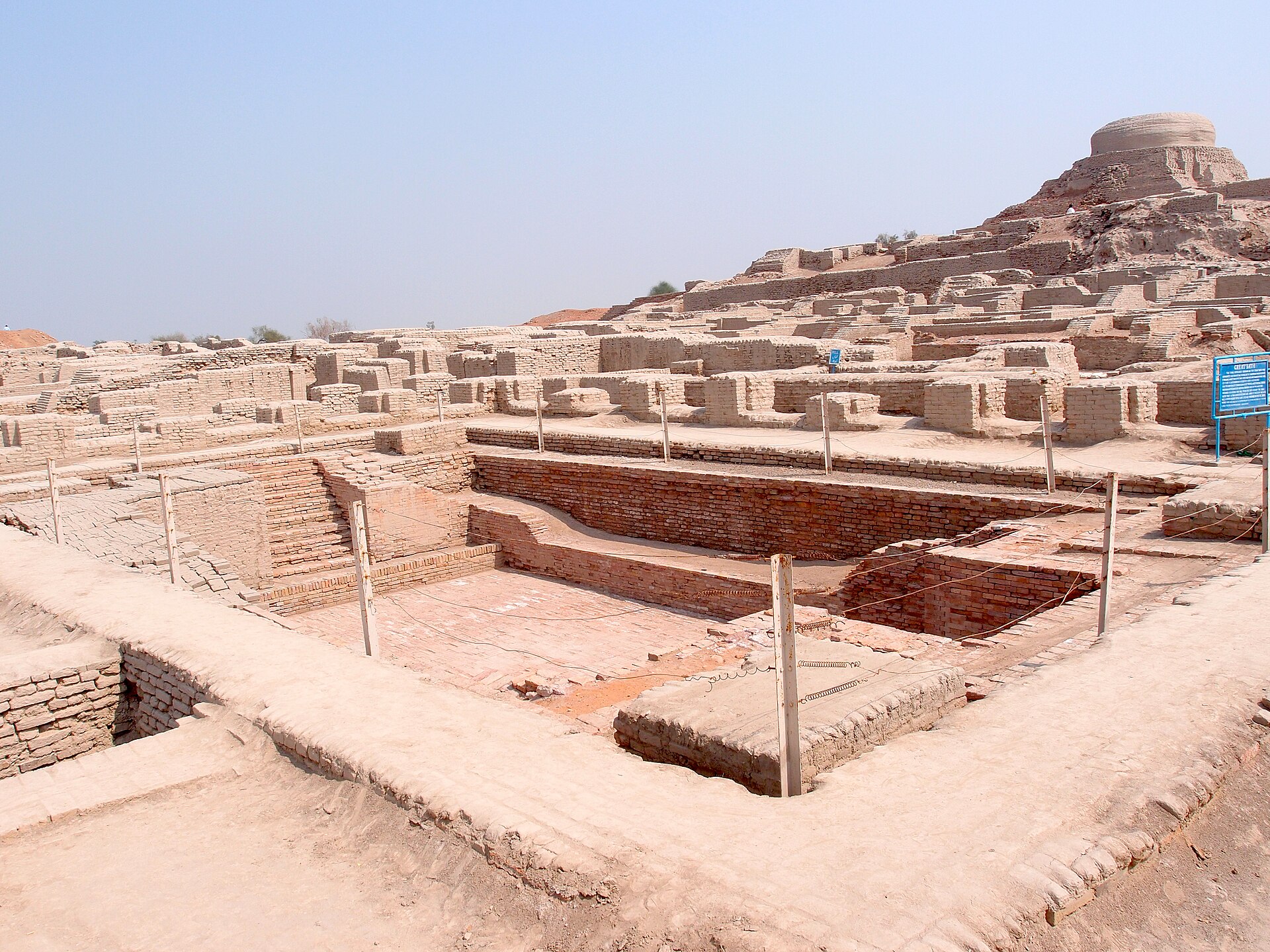
The Great Bath
The Great Bath is an ancient Indus Valley Civilization structure located in Mohenjo-daro, Sindh, Pakistan. It is believed to have been used for ritual purposes and is one of the earliest known public baths.
 © Anaskhankhattak / CC BY-SA 4.0 · Wikimedia Commons
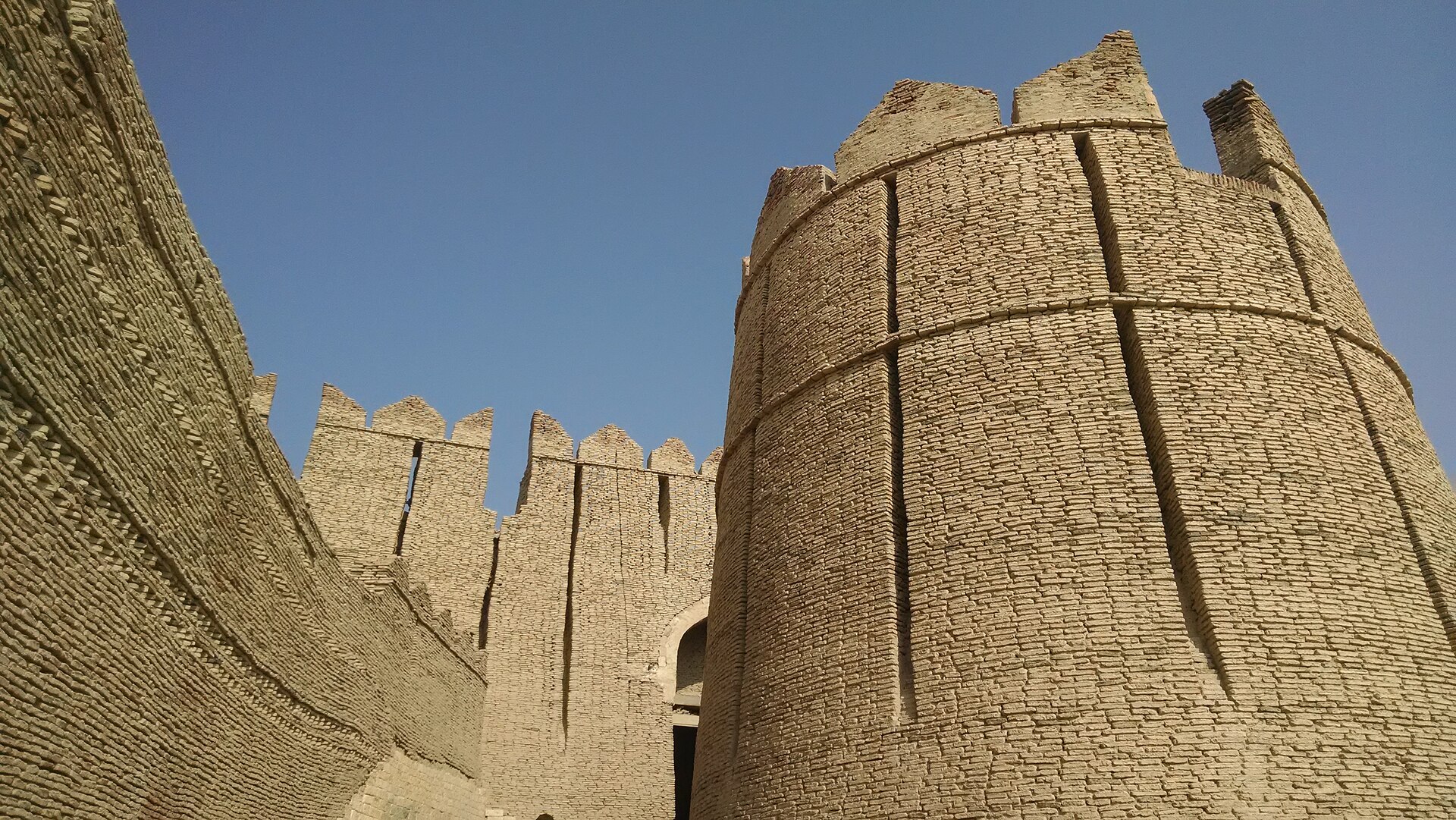
Kot Diji Fort
Kot Diji Fort is an ancient archaeological site located in Sindh, Pakistan, known for its well-preserved ruins that offer insights into the Indus Valley Civilization. It is situated near the modern-day city of Khairpur.
 © Emna Mizouni / CC BY-SA 4.0 · Wikimedia Commons
Amri
Amri is an ancient archaeological site located in Sindh, known for its well-preserved Indus Valley Civilization ruins.
 © سیانف / CC BY-SA 3.0 · Wikimedia Commons
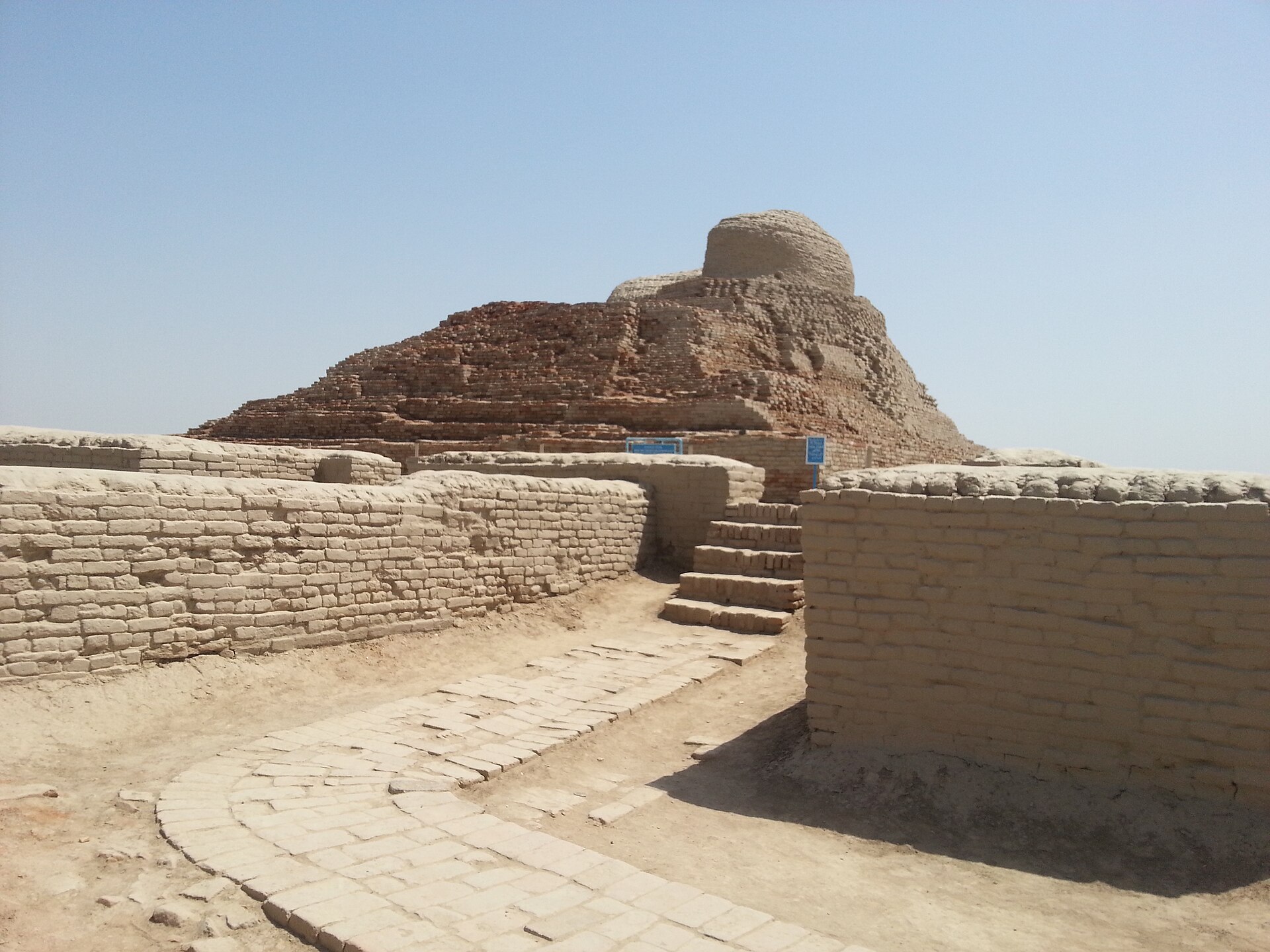
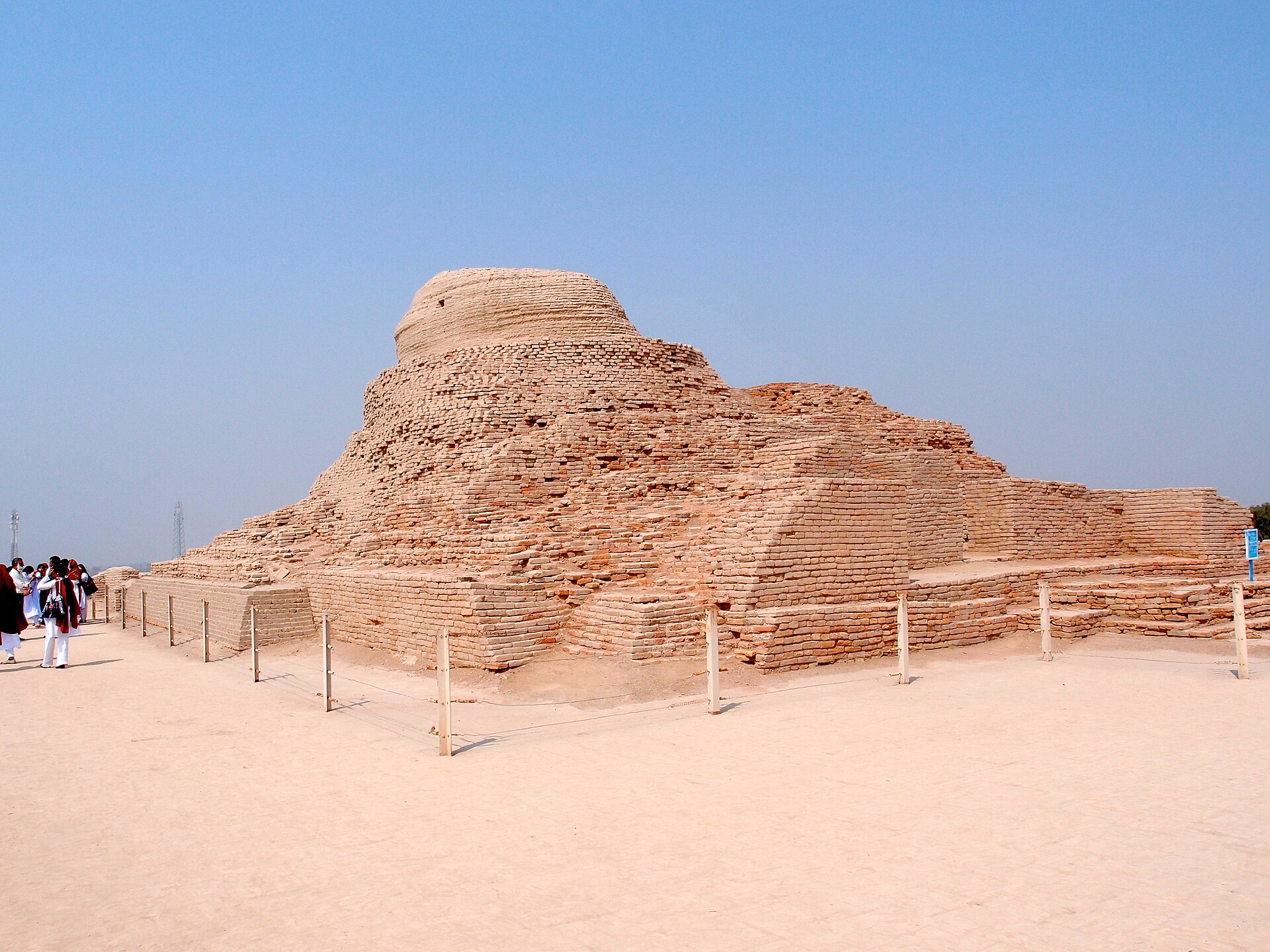
The Stupa Mound
The Stupa Mound, located in Sindh, is an archaeological site known for its ancient stupa and historical significance. It is situated near the more famous ruins of Mohenjo-daro.
 © Soban / CC BY-SA 3.0 · Wikimedia Commons
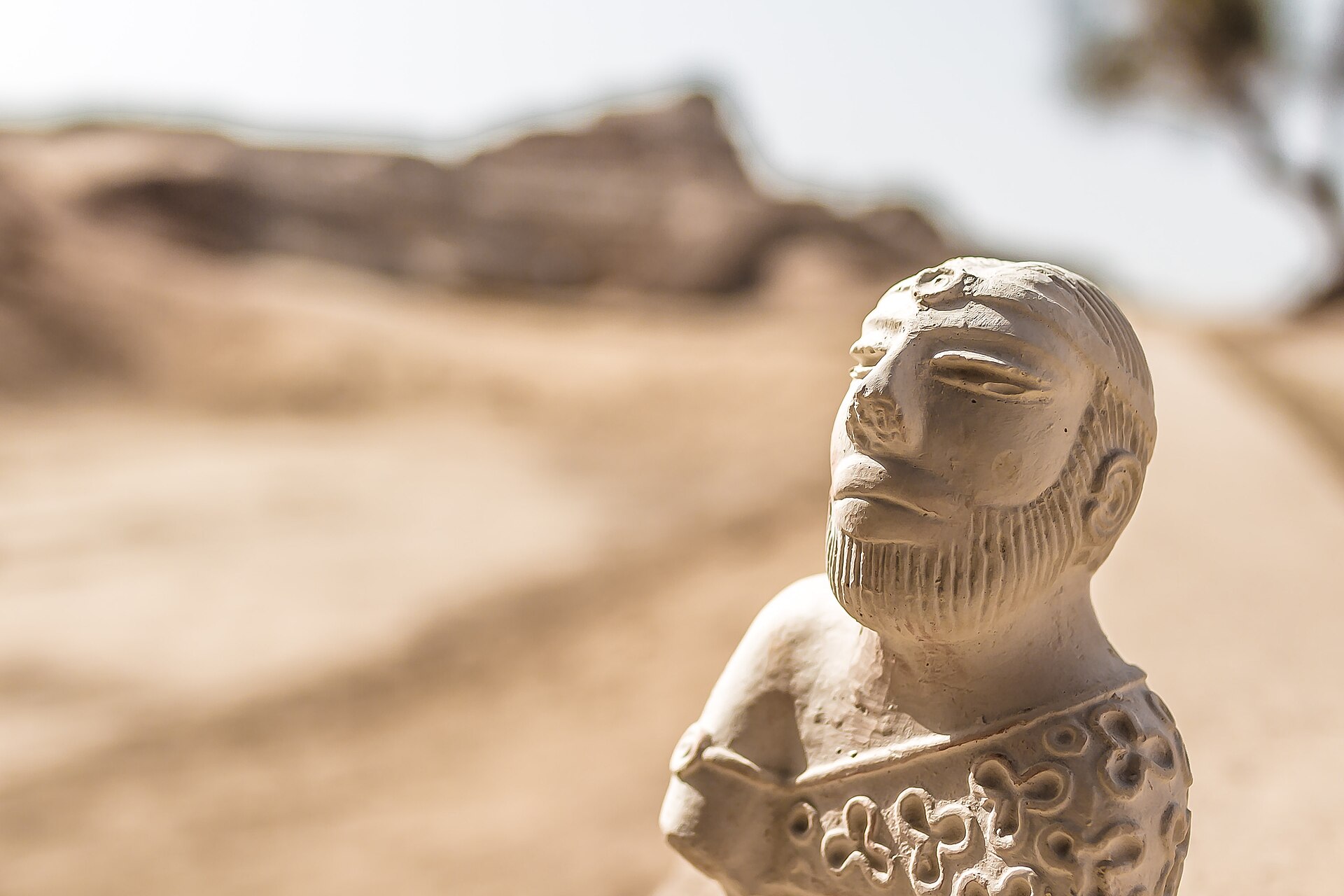
Site Museum
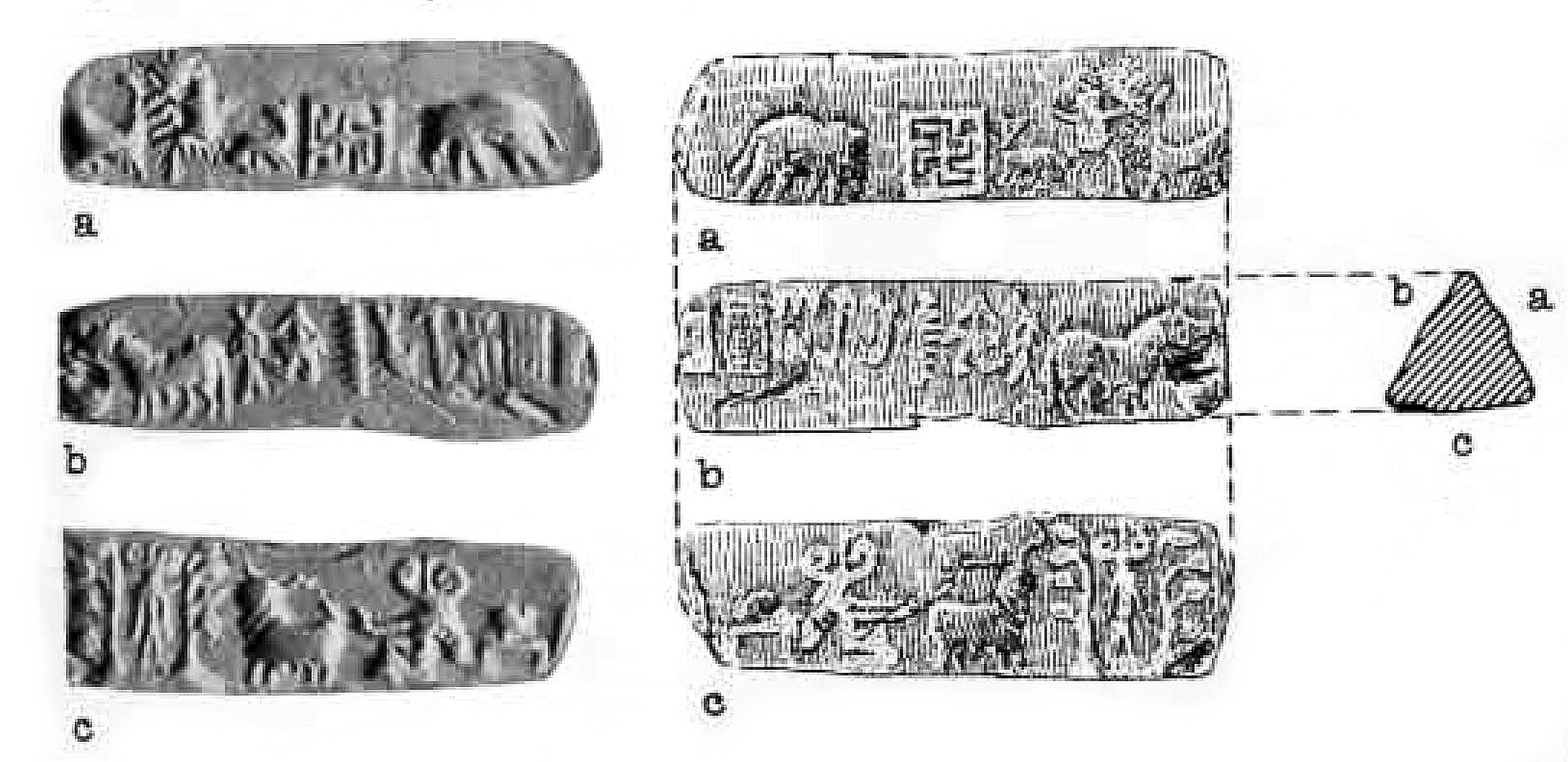
The Site Museum in Mohenjo-daro, Sindh, houses artifacts from one of the world's earliest urban civilizations, the Indus Valley Civilization. It provides insight into the daily life and culture of ancient inhabitants.
 © Saqib Qayyum / CC BY-SA 3.0 · Wikimedia Commons
The Great Granary & Assembly Hall
The Great Granary & Assembly Hall are archaeological ruins located in Sindh, Pakistan. They were part of the ancient Indus Valley Civilization and are known for their well-preserved brick structures.
 © Saqib Qayyum / CC BY-SA 3.0 · Wikimedia Commons
The Great Granary
The Great Granary, located in Sindh, is an ancient structure believed to have been used for grain storage during the Indus Valley Civilization. It is one of the well-preserved granaries from that era.
 © Saqib Qayyum / CC BY-SA 3.0 · Wikimedia Commons
DK Area & gridded streets
The DK Area, located in Sindh, features a grid-like street pattern and is known for its archaeological significance and historical remnants.
 © Saqib Qayyum / CC BY-SA 3.0 · Wikimedia Commons
Excavated streets and houses
These excavated streets and houses are located in Sindh, Pakistan, providing insights into the urban planning of ancient Indus Valley Civilization settlements. They are known for their well-organized layout and sophisticated drainage systems.
 © Ernest Mackay (Life time: 2 October 1943) / Public domain · Wikimedia Commons
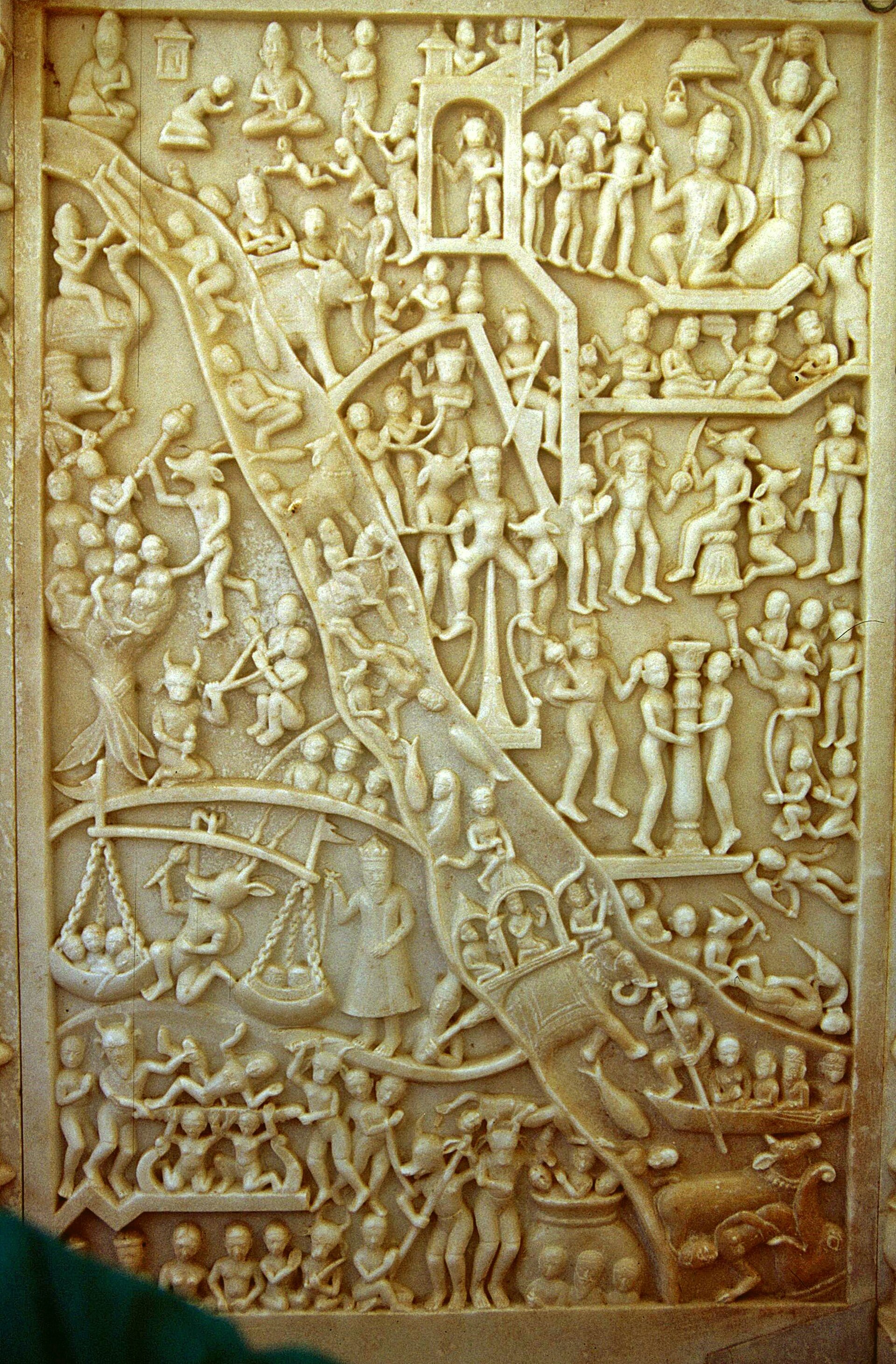
Sukkur Barrage & Lansdowne Bridge
Sukkur Barrage and Lansdowne Bridge are located in Sindh, Pakistan, and are known for their role in irrigation and as a key transportation link. The area is best visited from March to June when the weather is mild.
 © Ziegler175 / CC BY-SA 3.0 · Wikimedia Commons
Sadhu Bela Temple
The Sadhu Bela Temple is an ancient Hindu temple located in Sindh, Pakistan, known for its intricate carvings and historical significance. It is one of the few remaining examples of pre-Islamic architecture in the region.
Things to do in Mohenjo-daro
© Aakashaliraza / CC BY-SA 4.0 · Wikimedia CommonsGuided archaeology walk
Explore the gridded streets and drainage with a guide to make sense of the ruins.
© Aakashaliraza / CC BY-SA 4.0 · Wikimedia CommonsSee the Priest-King & Dancing Girl replicas
View casts of Mohenjo-daro's most famous artefacts in the site museum.
© سیانف / CC BY-SA 3.0 · Wikimedia CommonsSunset over the citadel mound
Climb to the stupa for evening light across the ancient city.
© Ernest Mackay (Life time: 2 October 1943) / Public domain · Wikimedia CommonsSukkur barrage & Sadhu Bela
Pair the site with Sukkur's bridges and the river-island shrine.
© Ernest Mackay (Life time: 2 October 1943) / Public domain · Wikimedia CommonsIndus dolphin spotting at Sukkur
Cruise the river near Lab-e-Mehran for a chance at the blind Indus dolphin.
Best time to visit Mohenjo-daro
| When | Weather | Crowds | Prices |
|---|---|---|---|
| Nov – Feb | Cool, dry, ideal for the open site | Mid | Low |
| Mar | Warming | Low | Low |
| Apr – Sep | Extreme heat | Minimal | Low |
| Oct | Easing heat | Low | Low |
About Mohenjo-daro tours
Mohenjo-daro tours: common questions
What is Mohenjo-daro?
The best-preserved city of the ancient Indus Valley Civilisation, around 4,500 years old, near Larkana in Sindh, and a UNESCO World Heritage Site.
What can you see at Mohenjo-daro?
The excavated streets and houses, the Great Bath, the granary and stupa mound, and a museum of seals and artefacts including the Priest-King.
How do you get to Mohenjo-daro?
Via Larkana or Sukkur in northern Sindh, reached by road, rail or domestic flights to the region.
When is the best time to visit?
November to February, to avoid the intense heat of the Indus plain in summer.
Mohenjo-daro planning reads
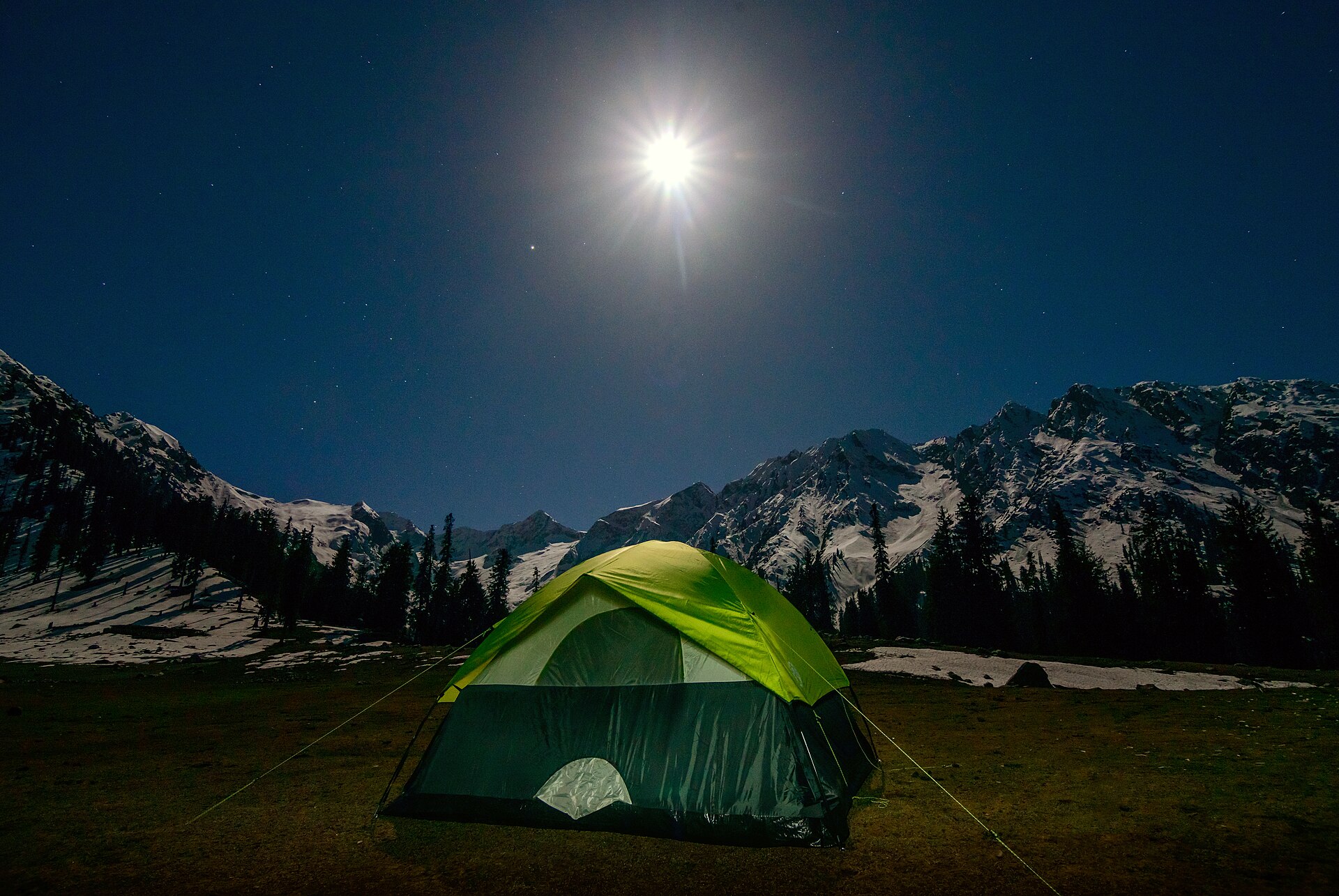
Kumrat Valley Trip Cost 2026: Camping Done Right
Real 2026 Kumrat Valley costs — the long drive, riverside camping, the Katora Lake hike, and why this trip is priced unlike the resorts.
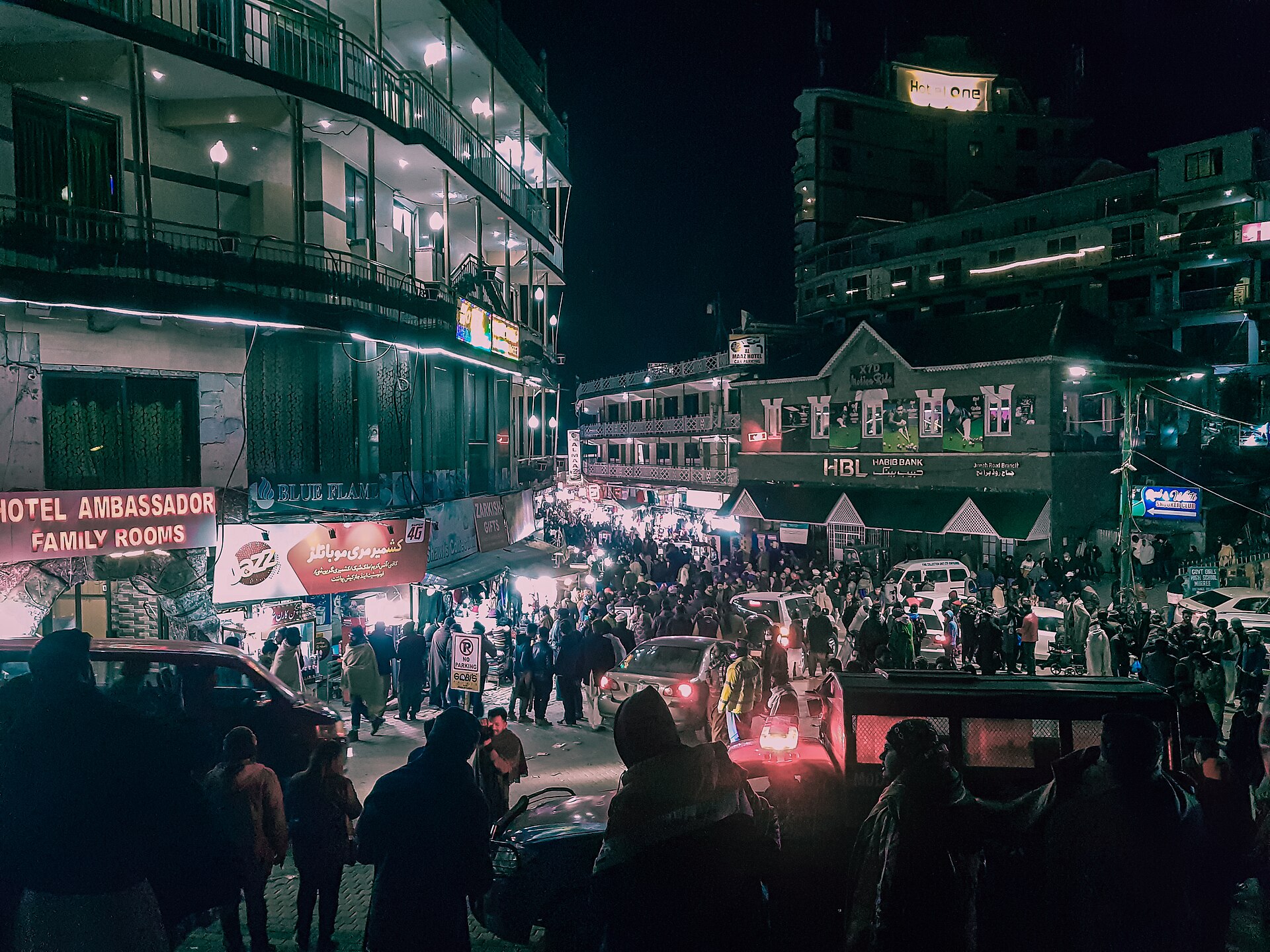
Murree & Galiyat Trip Cost 2026: Weekend Breakdown
What a Murree and Galiyat weekend really costs in 2026 — transport, hotels, Patriata chairlift, and why the Galiyat are the smarter base.
5-Day Hunza Itinerary Under PKR 25,000
A realistic day-by-day Hunza plan on a group-tour budget, what you will see, where the money goes, and what to skip.